NVIDIA Confidential Computing Expands, Enabling Frontier Model Builders to Securely Scale Across Global Infrastructure
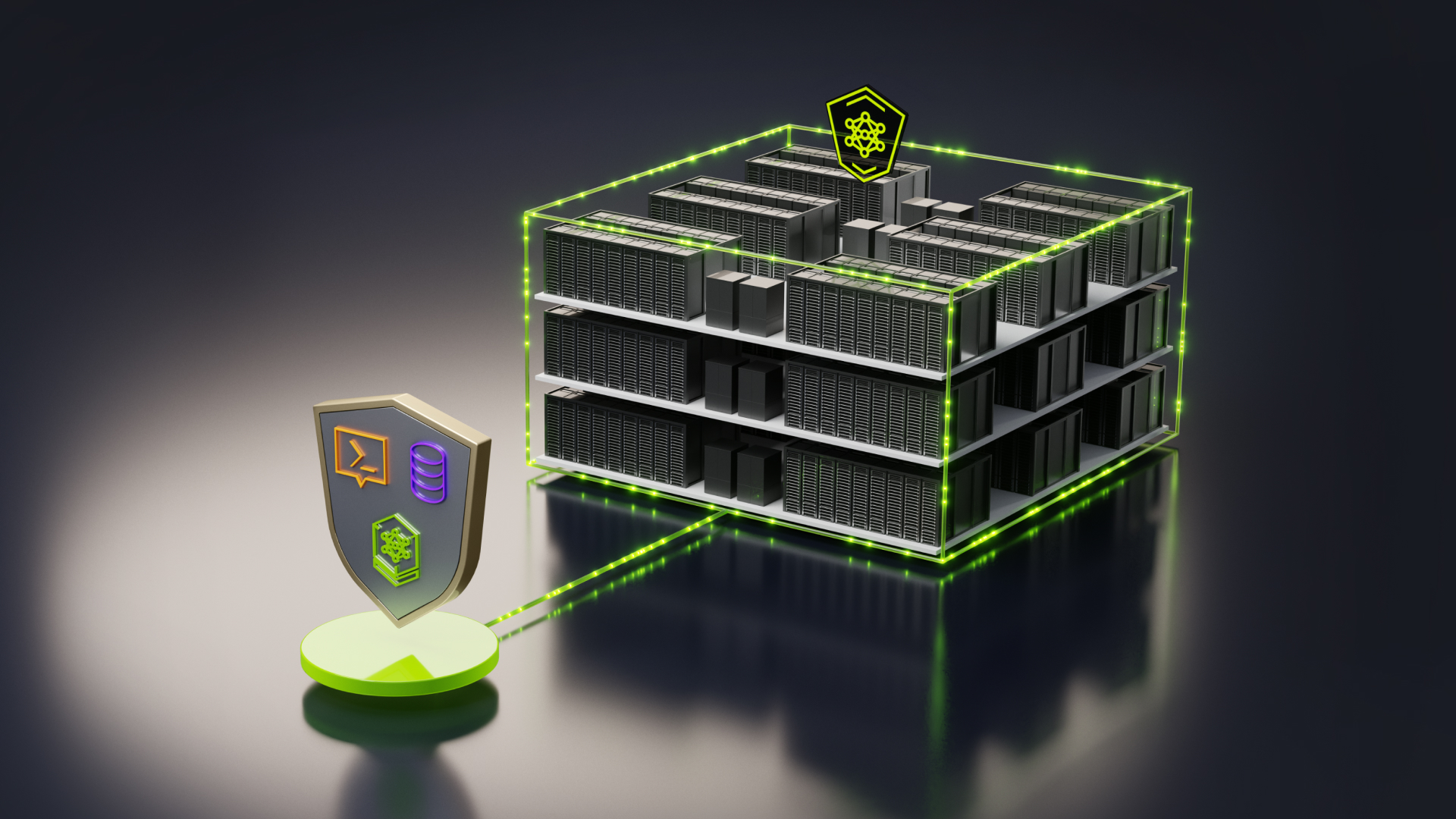
NVIDIA used its GTC 2026 announcements to expand NVIDIA Confidential Computing with a new deployment option called Confidential Bare Metal, alongside new platform security controls and broader hardware support. The company also announced the NVIDIA OpenShell Reference Architecture, which it describes as part of a growing portfolio for safely deploying agents at scale. Confidential Computing is positioned as the infrastructure layer that protects the models and data those agents depend on while they run.
The central addition is Confidential Bare Metal, aimed at frontier model builders who need to run sensitive workloads on dedicated third-party infrastructure while retaining control of their models and data. NVIDIA says the accompanying platform security controls protect data in transit, measure platform integrity and enforce hardware-level access restrictions. Together these let model builders use bare-metal instances to own and operate their bespoke software stack, including host and platform infrastructure software, on NVIDIA accelerated computing across third-party cloud, neocloud and enterprise infrastructure.
Confidential Computing now presents a converged security architecture with three deployment options: Confidential Bare Metal for bare-metal infrastructure, Confidential Containers for Kubernetes environments, and Confidential Virtual Machines for virtualized environments. The pitch is that organizations can match the deployment model to their trust boundaries and operating requirements. This is a meaningful framing: confidential computing has historically been most associated with virtual machines, where a hypervisor sits between the workload and the hardware. Offering a bare-metal path removes that layer, which matters for operators who want to run their own host software and still get hardware-rooted protection.
On the silicon and systems side, NVIDIA says support now extends to Grace Blackwell NVL72, bringing Confidential Computing to NVL72 rack-scale systems, as well as x86-based HGX Rubin NVL8 and DGX Rubin NVL8 systems. Confidential Computing will also integrate with NVIDIA DSX OS as a reference architecture for cloud providers building AI factories, and DSX OS will support all Confidential Computing modes, giving providers a software foundation for operating confidential workloads. NVIDIA describes the underlying mechanism as hardware-rooted isolation plus cryptographic attestation to protect models and data during execution, which in practice means the hardware produces a signed measurement of what is running so a remote party can verify it before sending sensitive data.
Two named customers illustrate the direction. Cohere plans to integrate Confidential Bare Metal into Cohere Model Vault, using NVIDIA Confidential Computing trusted execution environments to extend hardware-rooted security directly to the GPU, protecting models and data in memory and across interconnects during execution. Phil Blunsom, Cohere's chief technology officer, framed it around enterprise trust in a secure inference platform. Google Cloud is extending support for Confidential Bare Metal to A4X Max instances powered by NVIDIA GB300 NVL72 systems, combining non-virtualized accelerated computing with cryptographic protection for training data and model intellectual property. Andrés Lagar-Cavilla, a distinguished engineer and AI infrastructure security lead at Google Cloud, described the offering as hardware-isolated, non-virtualized environments with end-to-end cryptographic protection that preserve user data privacy, protect model IP and deliver top-line serving performance.
The supporting ecosystem is broad. CoreWeave, Firmus, GMI Cloud, Google Cloud, IREN, Lambda, Microsoft Azure Infrastructure, Nebius, Nscale and Vultr support Confidential Computing deployments. Systems partners Cisco, Dell Technologies, HPE, Lenovo, Supermicro and Bull will support the capabilities with NVIDIA-Certified Systems. For model builders, NVIDIA says the expanding ecosystem offers more geographic, sovereign and operational options for scaling training and inference worldwide.
The obvious benefit is that a lab can rent capacity from a provider it does not fully trust — or that operates under a jurisdiction the lab's customers care about — while keeping weights and in-flight data shielded from the host operator. That is useful for sovereignty requirements and for enterprises that will not send sensitive inference traffic into a shared environment. A likely trade-off, based on how confidential computing generally works, is some performance and operational overhead versus conventional instances; NVIDIA and Google Cloud are explicitly claiming strong serving performance, but independent measurements will be the thing to watch. Another practical question for developers is tooling maturity: bare-metal confidential instances require the operator to manage their own stack, which shifts work onto platform teams. The three-mode lineup suggests NVIDIA wants a single security story that spans VMs, Kubernetes and bare metal rather than separate products.
Based on reporting from the original publisher. Visit the source for full context and later updates.
Publisher excerpt
NVIDIA builds tools to enable safe agents across the stack. The NVIDIA OpenShell Reference Architecture, announced today, is part of NVIDIA’s growing portfolio of technologies that enables organizations to safely deploy agents at scale. NVIDIA Confidential Computing is the infrastructure layer that protects the models and data those agents depend on while running. Today, NVIDIA […]