Nvidia CEO Jensen Huang Had an Affair With a Chinese Spy
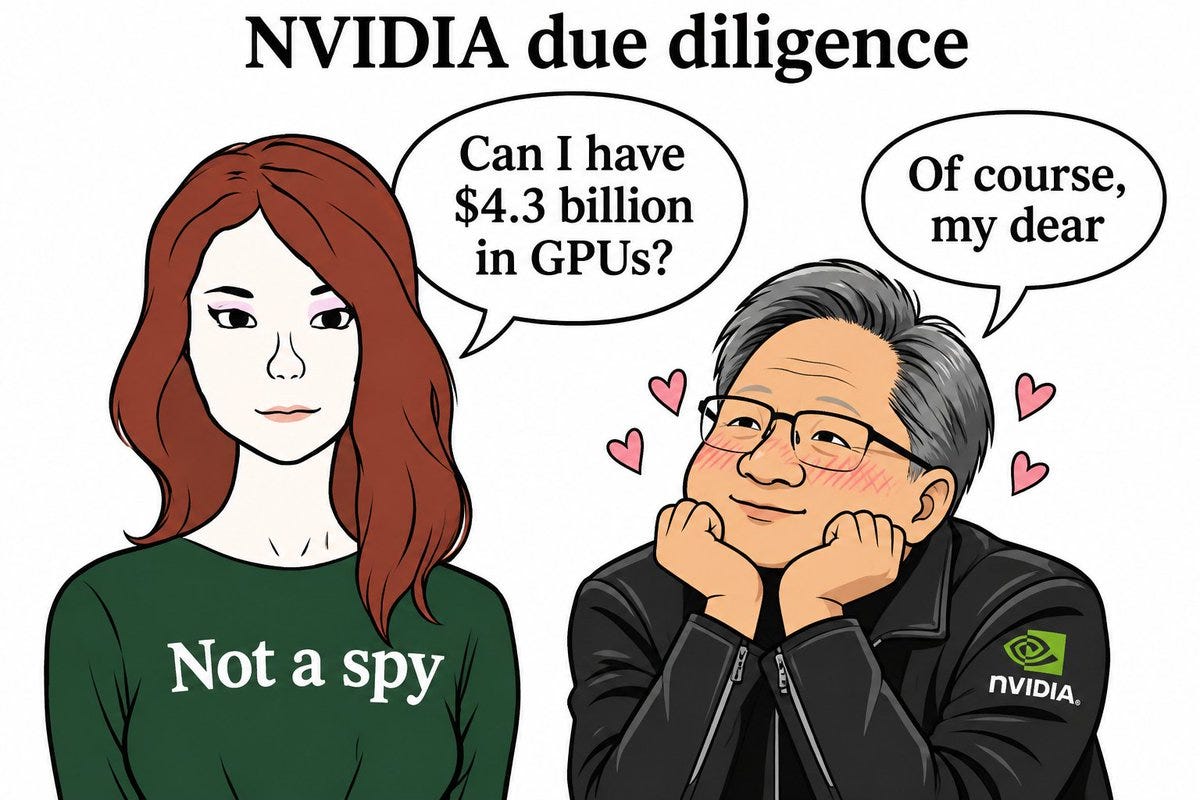
Nvidia CEO Jensen Huang has admitted to an extramarital affair with Alice Huang, a woman recruited by China's top spy agency as a Chinese spy, according to the briefing. Alice Huang worked for Megaspeed, a Singapore-based company reported to be under investigation for smuggling restricted chips to China. Nvidia underperformed the Nasdaq by roughly 7% on the news. A letter posted to Nvidia colleagues and attributed to Jensen Huang apologizes to his wife and children, acknowledges the affair, and says the board of directors has initiated an independent investigation into the national security concerns raised in news reports, which he says he supports and will cooperate with.
The timeline matters. According to WIRED reporting cited in the briefing, Jensen Huang began working with Heller, a crisis communications firm known for handling public scandals, a year before admitting the affair, with the firm handling his behind-the-scenes communications since at least October 2025. US officials told President Donald Trump in October 2025 that Alice Huang was in a relationship with Jensen Huang and was presumed to be a spy, according to the Times. Trump said he had no regrets about not acting on that intelligence, later defended Huang, said he should remain chief executive, and said he would take Huang on an upcoming trip to China. Two months after that warning, Trump agreed with Nvidia to allow exports of H200 chips to China with a 25% government cut, the briefing states.
Nvidia's public line shifted over roughly ten days of denials before the admission. Spokesman John Rizzo described Jensen Huang's interactions with Alice Huang as "not unusual or unexpected" and said meetings with customers are part of a CEO's job. Nvidia also said Megaspeed was like any other regional customer and that it had previously investigated and debunked claims the Singaporean company was smuggling chips to China. In a Bloomberg interview, Jensen Huang said the interactions were related to Megaspeed and were completely normal, and that he had not been informed by the US government of its suspicions. Commentators quoted in the briefing note that Rizzo issued multiple statements now known to be false, though it is unclear whether he believed them at the time.
Questions about the relationship predate the admission. A short-seller report from Culper in May described Jensen Huang as having walked alongside Megaspeed at every step and as having a close relationship with Alice Huang, noting they partied together in June 2024, the same month as an Apex/Alibaba pledge, and dined together in May 2025, just after US trade restrictions. A current Megaspeed employee was quoted saying Alibaba representatives come every time Nvidia's CEO visits their facility, and a former Nvidia employee said staff internally speculated about the seemingly special nature of the relationship. A post from October 9, 2025 asked whether Huang Xiaole, also known as Alice Huang, was a spy working for the Chinese Communist Party.
The briefing also raises Nvidia's role in the Megaspeed investigation, saying Nvidia intervened to halt it and that Jensen Huang's general counsel quashed it, and notes that the House Foreign Affairs Committee would like a word. Those claims come with the affair narrative and have not been independently confirmed here.
The admission letter is written in formal, stilted language, and the briefing says Jensen Huang let an AI write most of it. The letter apologizes first to his wife and children, then to colleagues, the board, partners and shareholders, and treats the national security concerns as a matter for the board's investigation. Commentators quoted in the briefing argue the framing understates the problem: the relationship was with a major customer buying billions of dollars in GPUs on behalf of China, and it is not merely a family matter. Others defended Huang as human and said he had done a lot of good, then clarified that a free pass would not apply if the affair was more than an affair.
A central complaint in the briefing is that the affair sat alongside Jensen Huang's public campaign against US export controls on advanced AI chips. The briefing cites his podcast appearance with Dwarkesh Patel, where he called comparing AI to nukes lunacy and described AI as a five-layered cake, and notes that less than a month before the admission he was still arguing export controls were a mistake because China has more AI researchers than any other market. It also points to his dismissal of AI safety concerns. The implication drawn is that his positions on controls deserve re-reading in light of the relationship, not that the positions were caused by it.
This is a reputational and governance story before it is a product story, and the facts as presented are contested in places. The 7% underperformance against the Nasdaq is a market reaction to the disclosure, not evidence about the underlying allegations. The board investigation and any congressional scrutiny are the mechanisms that could turn the affair into findings about chip flows, export compliance and the handling of a federal probe. Until those produce conclusions, the specifics of what Alice Huang did or did not obtain remain assertions attributed to officials, the Times, WIRED and short-seller research rather than established outcomes.
Why it matters: Nvidia is the central supplier of AI accelerators, and its CEO sets the tone on export policy, so a board investigation into national security questions touches customers, partners and anyone planning around China-compliant hardware. Developers and product teams should expect scrutiny of export compliance and allocation decisions to tighten, and should treat policy signals from Nvidia's leadership as less stable than usual while the investigation runs. That is an inference, not a reported outcome; the concrete near-term fact is that the board has opened an independent review and the CEO says he will cooperate.
Based on reporting from the original publisher. Visit the source for full context and later updates.
Publisher excerpt
Well, sure, it sounds bad when you put it like that.