Supercomputing researchers document evolution of AI hardware
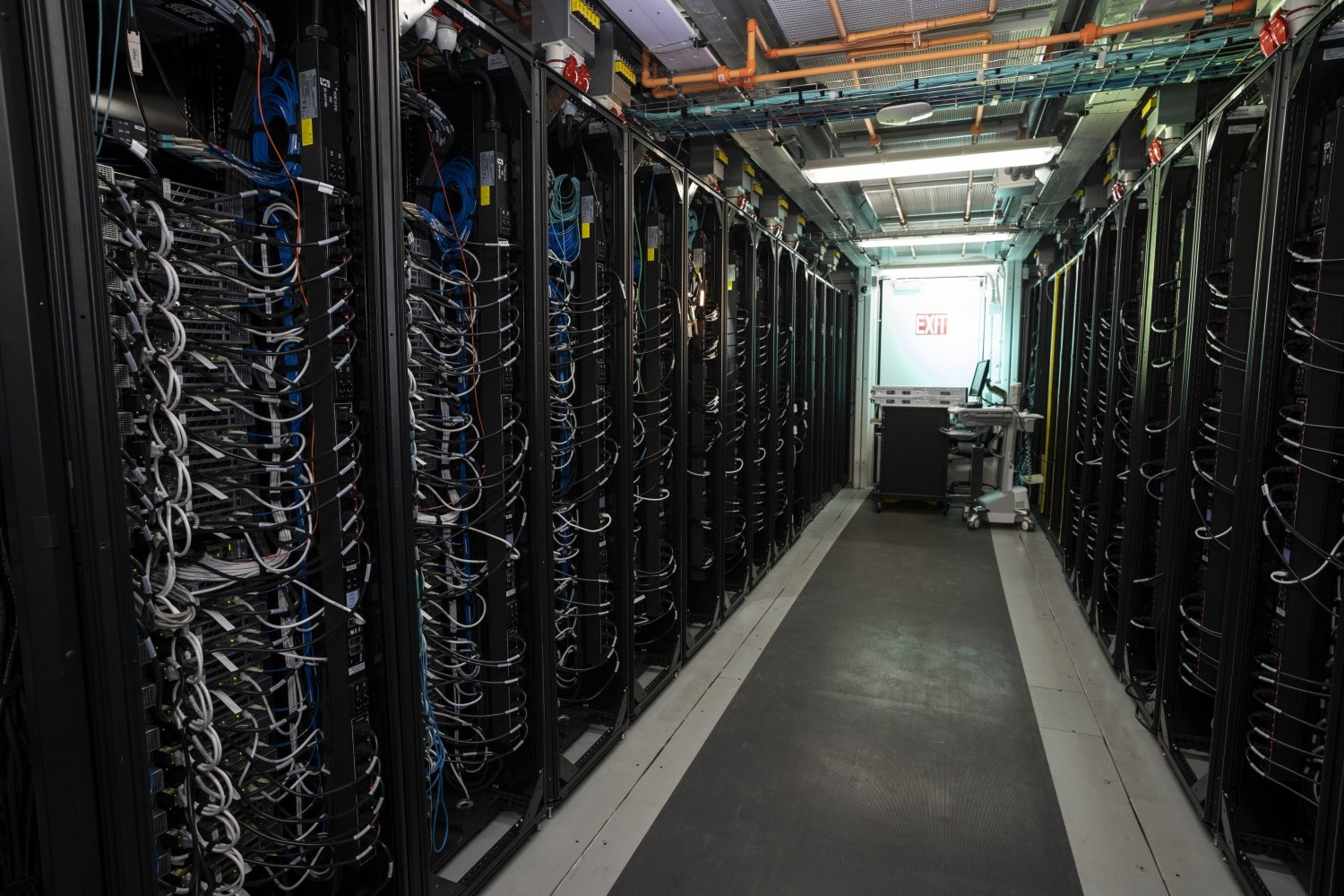
Researchers at the Lincoln Laboratory Supercomputing Center (LLSC) at MIT have documented the evolution of AI hardware through the Lincoln AI Computing Survey, known as LAICS and pronounced "lace." The survey has run since 2018 and has produced six papers, summarizing current commercial AI accelerators and comparing their peak performance and peak power.
Albert Reuther, an LLSC staff member who leads the effort, said the survey began after a sharp rise about eight years ago in research AI accelerators described in papers and commercial accelerators being announced, along with questions from government sponsors of the laboratory's work. The LLSC operates and optimizes high-performance computing systems used by thousands of laboratory research staff.
The LAICS team includes LLSC members Michael Jones, Peter Michaleas, Jeremy Kepner, and Vijay Gadepally. It also collaborates with researchers across Lincoln Laboratory, including in the Advanced Technology Division and the Intelligence, Surveillance, and Reconnaissance and Tactical Systems Division.
The first paper in the series studied 57 accelerators; the latest looked at more than 120. The main comparison metrics are peak performance and power, with accelerators sorted by whether they are on a chip, card, or system. All data in the papers come from public sources, which the team notes can be challenging because some companies prefer to keep performance and power data private. Reuther runs daily news and citation searches covering technical press articles, company announcements, and industry presentations.
Accelerator types include CPUs, GPUs, ASICs, FPGAs, and dataflow accelerators. CPUs can be used for general-purpose computing, while ASICs perform only very specific tasks; dataflow accelerators, FPGAs, and GPUs are more flexible and can be configured for a variety of workloads. The 2022 paper investigated sources of performance increases, finding they stem from smaller, denser transistor designs and lower numerical precision. The latest paper examined architectural choices, analyzing how adding components such as more cores per processor or parallel performance would change a system.
Reuther said he plans to continue the survey and that six new startups have announced their first AI accelerators in the past few months.
Based on reporting from the original publisher. Visit the source for full context and later updates.
Publisher excerpt
An ongoing survey tracks the latest AI accelerator systems to keep hardware relevant for Lincoln Laboratory staff and sponsors.