The first GPT-6 model
Astra is out, described in the newsletter as the start of the GPT-6 family. According to the newsletter, it scores the highest on Zapier's AutomationBench and "smokes ARC-AGI-3," and costs the same as Fable 5.1.
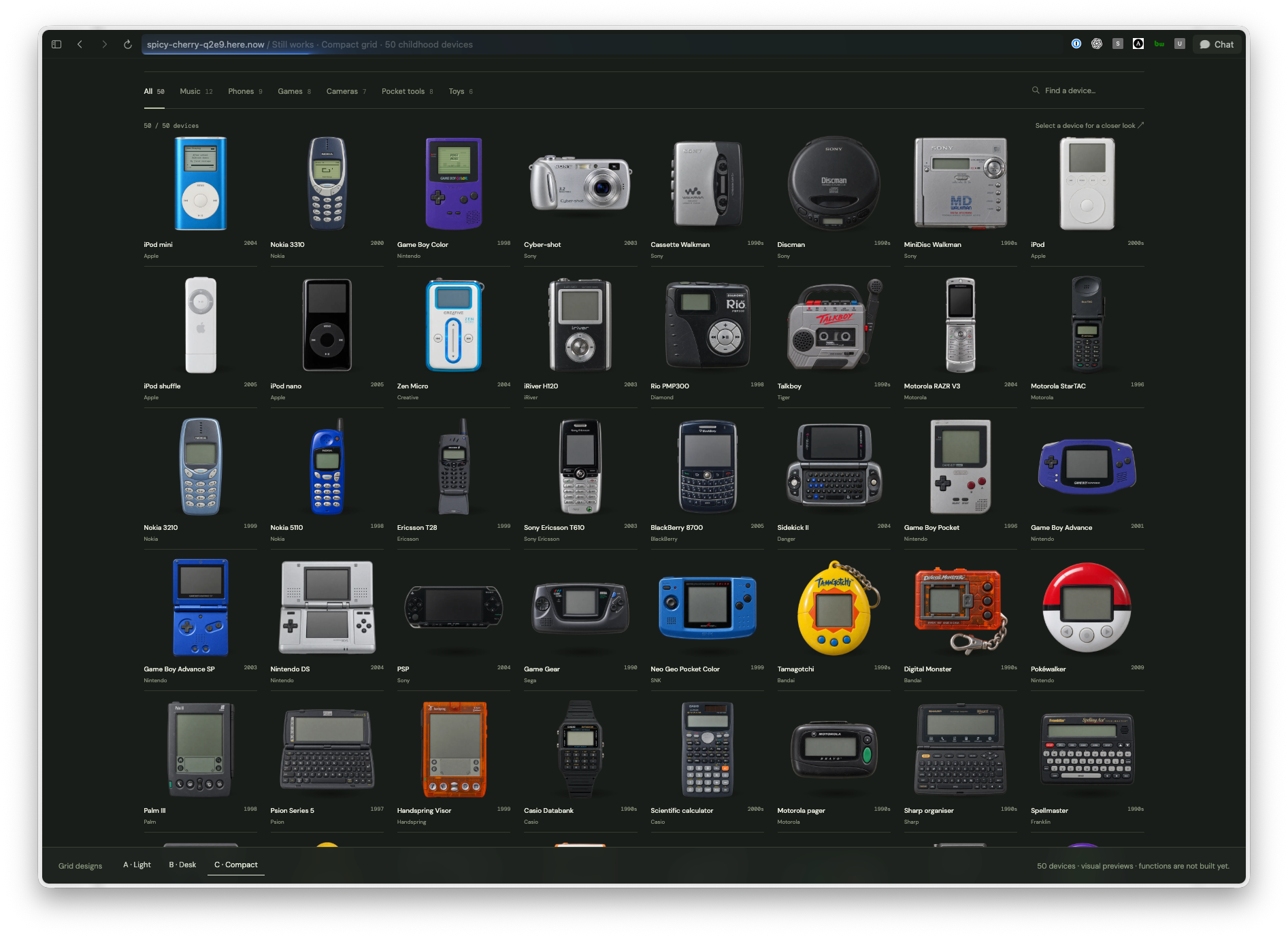
The newsletter's author said they burned through 4 billion tokens over a weekend while experimenting with Astra, and that they wasted banked resets. They wrote that they do not yet know if it feels like a huge capability leap, and shared two one-shot experiments: "forgotten devices," images made with the image generation tool, and "world radio," an old iPod-style interface that plays live radio stations from around the world.
The newsletter collected assessments from others. Kieran Klaassen called it "a show horse, not a workhorse," and Theo said they "both love and absolutely detest this model." The newsletter noted optimism because the same was true at the GPT-5 release, and that by GPT-5.3, a few months later, the model was consistently great.
Reported examples of Astra use include drawing a portrait in Canva, computer use fast enough to play piano, rebuilding Manhattan in Unreal Engine, generating UIs autonomously, 3D printing a custom shower-drain part, identifying sounds from spectrograms, and modelling real-life products in Blender or similar tools.
In Codex, Astra can now ask questions without waiting for answers, continuing with work that does not need a reply or where an answer can be assumed, and using the reply without losing track of the original task. OpenAI also said it has reached its automated research intern goal, with agents tackling research tasks that would take a skilled person several days while humans set direction and judge results. The next target is an automated AI researcher by March 2028.
Separately, Anthropic is testing a way to let Claude Code write plugins that can change the interface, log actions or restrict what agents are allowed to do. It has not shipped yet, and the Claude Code team is looking for feedback. Inworld built Realtime TTS-2, described as combining text-based voice design, sub-100ms latency at P99, and one voice identity across 200+ languages.
Based on reporting from the original publisher. Visit the source for full context and later updates.
Publisher excerpt
and what I’m building with it