Management as AI superpower
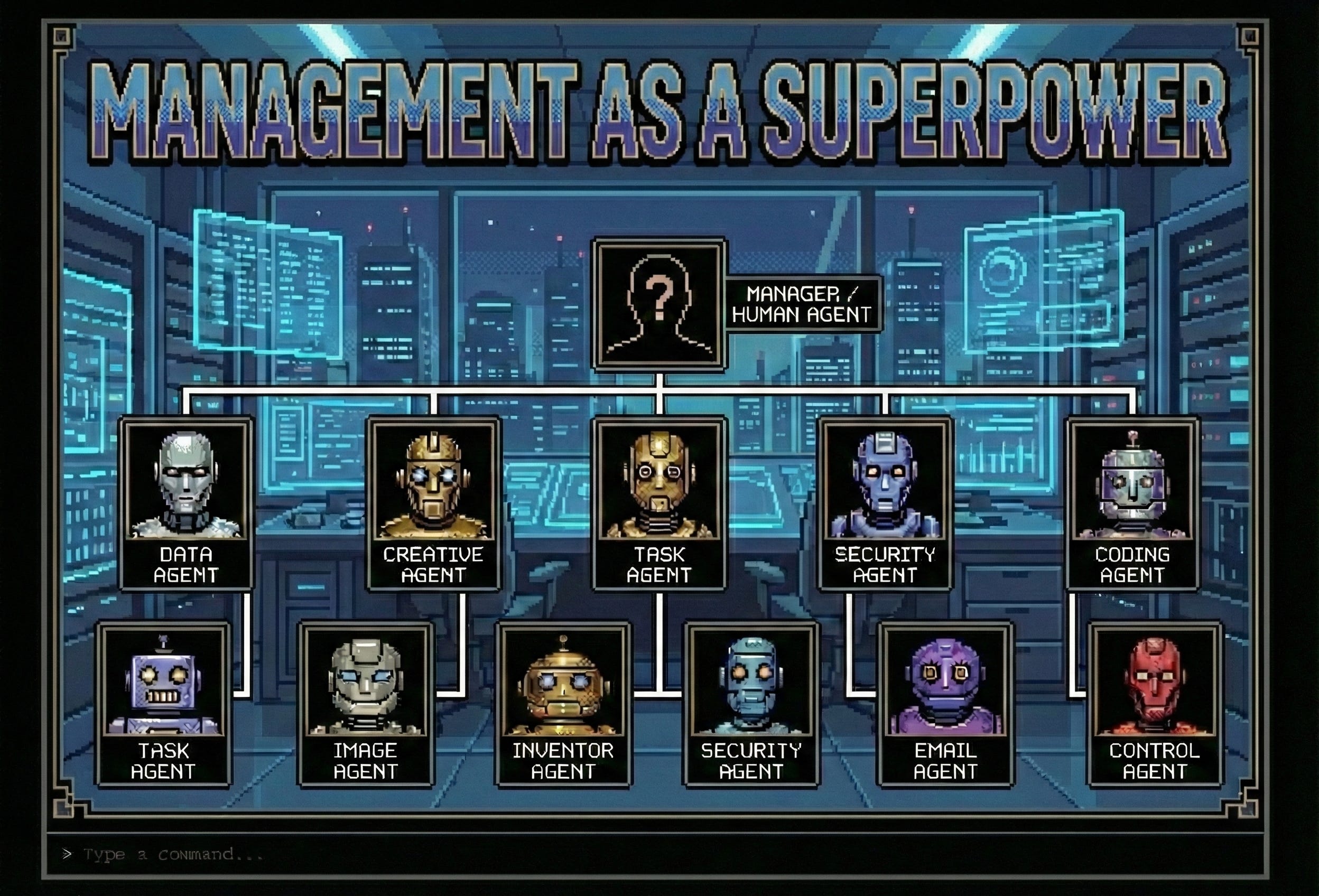
An experimental class at the University of Pennsylvania challenged students to create a startup from scratch in four days, according to an account published by One Useful Thing. Most participants were in the executive MBA program and were simultaneously working as doctors, managers or leaders at companies of varying sizes; few had ever coded. The instructor introduced them to Claude Code and Google Antigravity for building a working prototype, while ChatGPT, Claude and Gemini were used to accelerate idea generation, market research, competitive positioning, pitching and financial modelling.
Prototypes described included Ticket Passport, a market for verified ticket sales, by Dee Sethmajhi, Jane Lian Wang and Yue Ma; Revenue Resilience, which identifies at-risk revenue for small businesses and creates agentic solutions, by Whit Chiles, Jose Olivares and Spencer Louie; a parenting companion matching kid interests to activities by Manoj Massand, Samuel Lee and Harry Lu; and Invive, for blood sugar prediction, by Angela Argentati, Sabeen Chawla and Adeel Rizwan.
The instructor, who has taught entrepreneurship for a decade and a half, estimated that the work seen over a couple of days was an order of magnitude further along the path to a real startup than what students previously produced over a full semester without AI. Most prototypes had a core feature working rather than only sample screens, the account said. The author stated these were not yet working startups nor fully operational products, with a couple of exceptions.
The account proposes an "Equation of Agentic Work" for deciding when to delegate to AI, based on three variables: Human Baseline Time, how long a task would take a person; Probability of Success, how likely the AI is to meet a given bar on one attempt; and AI Process Time, how long it takes to request, wait for and evaluate an output. It cites OpenAI's GDPval paper, in which experts averaged seven hours per task, and says that with GPT-5.2, Thinking and Pro models tied or beat human experts an average of 72% of the time. Given a seven-hour task, 72% success and an hour of evaluation, the account calculates an average saving of three hours if the person prompts the AI, evaluates for an hour, and completes the task themselves when the AI answer is bad.
The account also describes generating a 1980s-style adventure game with a single Claude Code prompt, followed by two prompts to test and deploy it. It argues that delegation has become the new prompting, and that documentation formats long used in fields such as software, film, architecture and consulting work well as AI prompts.
Based on reporting from the original publisher. Visit the source for full context and later updates.
Publisher excerpt
Thriving in a world of agents