Paving the way for greener ammonia production
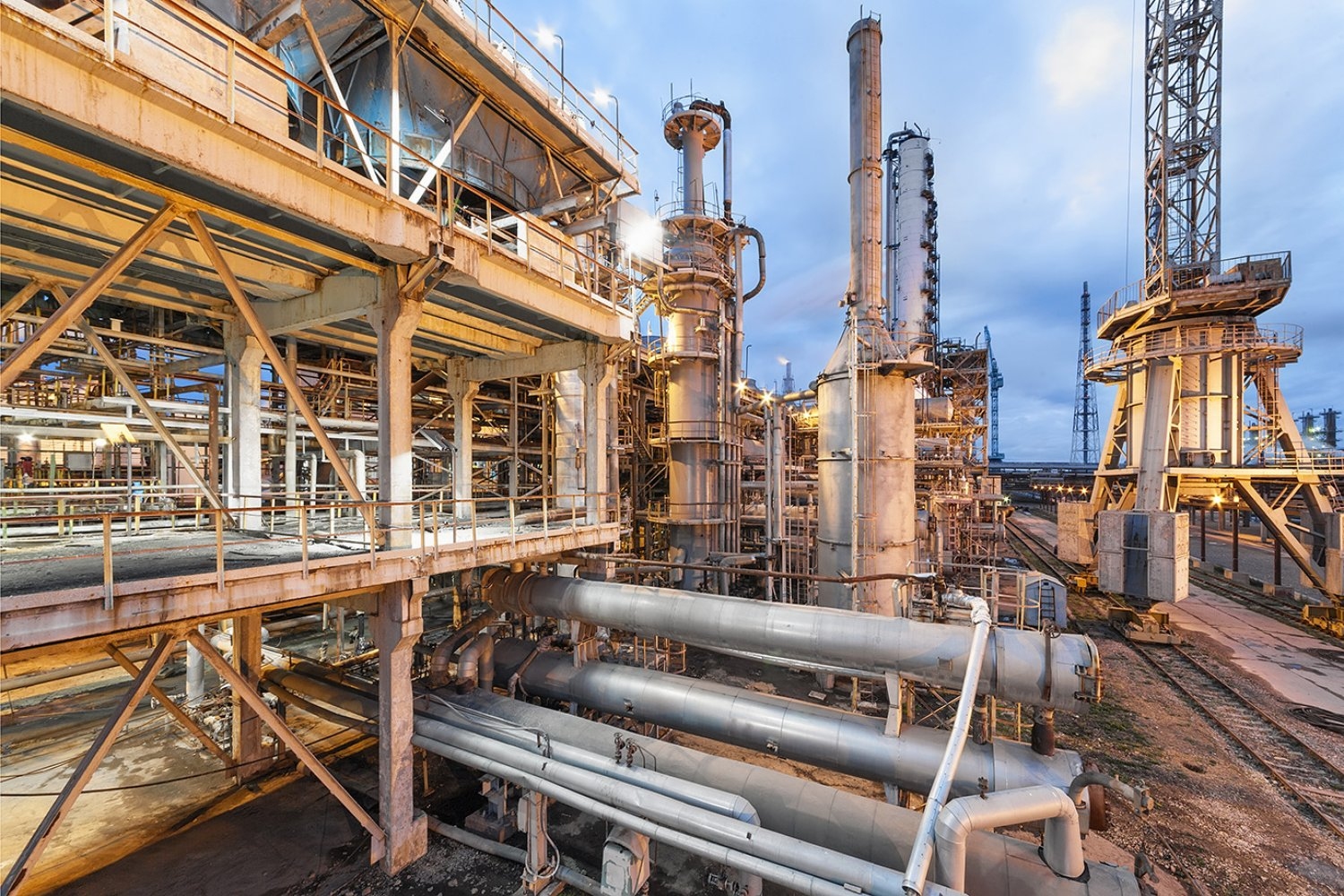
Researchers at MIT have developed a method to predict which materials could be most promising as catalysts in electrochemical ammonia production, according to findings published Aug. 11 in the Royal Society of Chemistry journal EES Catalysis. The open-access paper was written by Bilge Yildiz, the Breen M. Kerr Professor in the departments of Nuclear Science and Engineering and Materials Science and Engineering, and doctoral students Constantine Athanitis of DMSE and Filip Grajkowski of the Department of Chemistry.
Ammonia ranks second only to sulfuric acid in annual production volume and is used mostly to make fertilizer. Its production accounts for up to 2 percent of global energy consumption and about 1.5 percent of greenhouse gas emissions, the researchers note. The dominant Haber-Bosch process, in use for more than a century, relies on fossil fuels for heat and largely fossil-derived hydrogen. Electrochemical production using electricity exists but has not been economically competitive at needed scales, with Athanitis saying production rates and yields remain too low.
The new approach focuses on transition metal nitrides, which Yildiz describes as an ideal material system for identifying the electronic, chemical, and structural properties that determine reactivity in nitrogen reduction and ammonia electrosynthesis. Using density functional theory and machine learning, the team assessed microscopic properties driving catalytic activity rather than testing millions of possible alloys by trial and error, which can take years.
Dane Morgan, a professor of engineering at the University of Wisconsin who was not involved in the study, called it exciting work that helps clarify how fundamental electronic properties relate to a material's catalytic role and can guide computational screening. He noted that translating the calculations into practical catalysts will require many additional steps, so meaningful real-world impact is likely still some distance away.
The study is purely theoretical. The researchers used computer models to identify promising alloys, but those materials still need to be made and tested. The next step is to build a working reaction cell to produce ammonia and test performance under real operating conditions.
Based on reporting from the original publisher. Visit the source for full context and later updates.
Publisher excerpt
New MIT research could lead to better materials for a fossil-fuel-free process for making the chemical that's essential to fertilizer and other products.