Jensen Huang allies build a "war room" to get him back at Nvidia
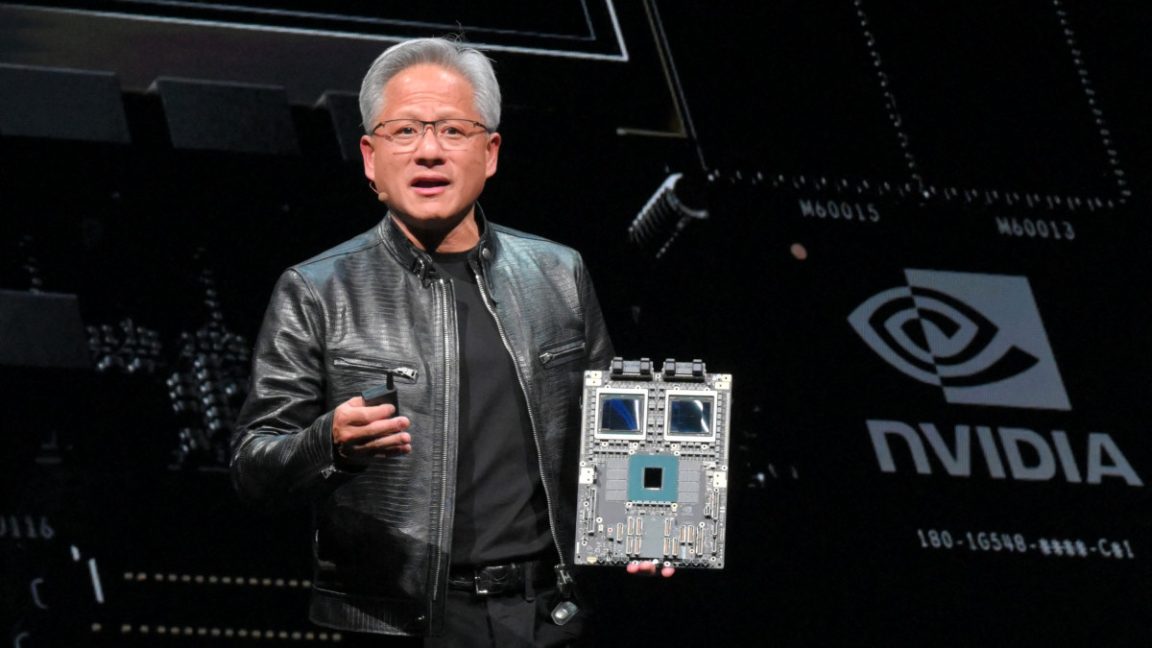
Jensen Huang is considering a return as Nvidia's chief executive, days after resigning over reports of affairs with a suspected Chinese spy and a subordinate, according to multiple people familiar with the matter. He has discussed the possibility with confidants while an independent probe by Nvidia's board investigates the conduct behind the leadership crisis at the chip company, which the report pegs at a $4 trillion valuation.
Allies are mobilizing. One Huang supporter told the FT that a "war room" of Silicon Valley executives is being assembled to lobby the board for his reinstatement and to seek support from the White House. The same person said the efforts had Huang's backing and claimed broad backing outside the frontier labs, saying everyone who matters in tech beyond those labs is fond of him.
A public campaign has gained momentum over the weekend. Tesla and SpaceX chief Elon Musk and Epic Games chief executive Tim Sweeney were among executives backing an open letter demanding the board "Bring Jensen Back." Some Nvidia employees have also gone public calling for his return and have signed the letter, a sign that loyalty inside the company has not collapsed.
The push is likely to meet resistance in Washington. Treasury Secretary Scott Bessent on Sunday called for a "dramatic shake-up" in leadership at the company following Huang's departure, signaling that key policymakers are not inclined to see him restored.
Huang's position differs from that of other founder-CEOs in one structural way: he lacked a controlling shareholding and therefore could not override a board decision. The company is now led by interim chief executive Colette Kress, who is aiming to steady operations ahead of quarterly results on Tuesday. The board has also been exploring succession: the FT reported on Friday that Arm chief Rene Haas had been approached as a potential successor, though Nvidia's board said no "formal" process had been initiated.
On the shareholder side, Altimeter Capital founder Brad Gerstner and Atreides Management's Gavin Baker, both Nvidia investors, published an open letter to the board on Friday urging it to leave "all options on the table, including the potential return of Jensen Huang." They cited his long record of leadership and the uncertainty created by his departure as reasons for leniency. Even some people involved in the reinstatement effort conceded that an affair with a subordinate is a fireable offense, a hint that the reputational problem is not easily waved away.
The affair with Alice Huang, an executive at Singapore-based Megaspeed, has drawn deeper scrutiny of how Nvidia monitors compliance when selling AI chips to Asian customers who may have links to China. That is the part of the story with the widest reach for the industry: export controls on advanced accelerators make Asia a sensitive market, and any perceived gap in a vendor's screening of end customers can attract regulatory attention well beyond a personnel dispute.
This is, in my reading, an unusual governance situation rather than a routine executive exit. A CEO without a controlling stake is exposed to board judgment in a way that founder-controlled companies are not, and an active independent investigation gives the board a reason to move slowly regardless of outside pressure. A lobbying campaign aimed at both shareholders and the White House can shape the narrative, but it does not change the formal decision rights, which sit with the directors.
The timing adds pressure. Quarterly results on Tuesday will be the first set under Kress, and investors will be watching for any sign that customer relationships, supply commitments or the sensitive Asia business have been affected. Succession chatter around Haas, if it advances, would also complicate any comeback by making the board's alternative visible and concrete.
Why it matters: Nvidia is the central supplier of AI accelerators, so a prolonged leadership fight touches cloud providers, model developers and anyone budgeting for compute, and customers may want contingency planning around supply and pricing while the board decides. For product and procurement teams, the practical question is whether interim leadership holds the company's roadmap and allocation steady through Tuesday's results. My inference is that the compliance scrutiny around Asian customers is the more durable risk, since it could outlast whoever ends up in the CEO role.
Based on reporting from the original publisher. Visit the source for full context and later updates.
Publisher excerpt
Huang is weighing a return just days after resigning amid a deepening scandal.