Judge rejects Trump’s wild claim EPA can dismiss data center pollution lawsuits
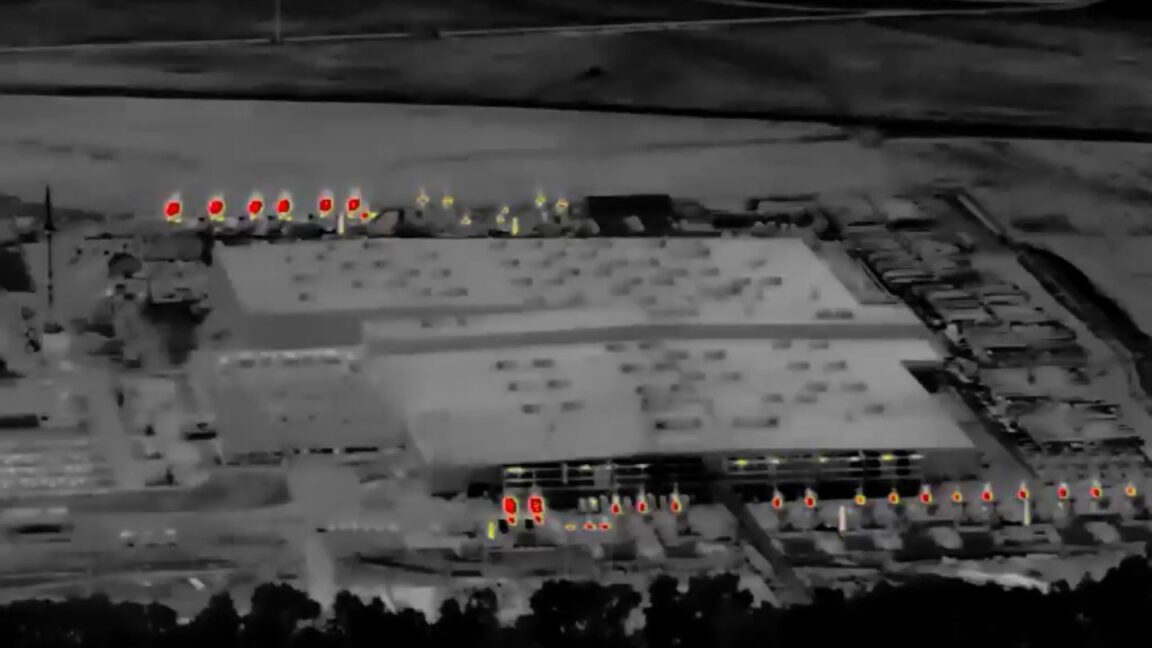
US District Judge Debra Brown ruled on Tuesday that the Environmental Protection Agency cannot unilaterally dismiss a citizen lawsuit filed under the Clean Air Act, rejecting the Trump administration's attempt to kill a suit brought by the NAACP against Elon Musk's xAI, now known as SpaceXAI after a merger. The case concerns unpermitted gas turbines powering the company's large Colossus data center in Memphis, Tennessee. The NAACP sued after those turbines were discovered.
The suit asks for an injunction requiring the company to use the best available pollution control technology on the turbines, plus penalties of up to $124,426 per day for each violation. The NAACP argued that without those remedies, the turbines risked sharply increasing pollution in nearby neighborhoods that house predominantly Black communities and were already vulnerable.
The administration's theory was sweeping: that the EPA could dismiss Clean Air Act suits at any time the president decided against enforcing the statute, including on grounds that letting citizens pursue large civil penalties against polluting AI firms would not serve the public interest while data centers were being rushed online to support the administration's AI Action Plan. Brown found nothing in the act permitting an EPA administrator to unilaterally dismiss a citizen suit. As the order framed it, accepting the argument would effectively hand the president authority to block any data center pollution suit—and, more broadly, any Clean Air Act suit touching interests the administration chose to defend.
At the center of the dispute is a narrow statutory exception. The EPA may dismiss a citizen suit when it is itself suing to require Clean Air Act enforcement, or is otherwise acting to require compliance. The administration has made clear it has no intention of suing SpaceXAI over the alleged violations, which is part of why the citizen suit exists. Brown noted that the precedents the government leaned on all arose where a government had acted to require abatement of unlawful pollution, not where it acted to shield a polluter from liability, and concluded they did not support the government's position because the administrator had taken no enforcement action here.
The NAACP's reading, which prevailed, stressed that the statute is built around meeting air pollution standards and protecting people, and that Congress preserved a citizen right to sue precisely for situations where the government has not acted. Brown pointed out the internal contradiction in the government's theory: the act also lets citizens sue the EPA administrator for failing to enforce the law, which shows Congress contemplated that citizen suits would not always align with the agency's judgment. In a footnote, she observed that Congress in 1990 considered an amendment letting the EPA substitute itself and take over citizen suits over alleged violations; that amendment was not adopted, and she treated the consideration as evidence that at least some members of that Congress read the provision as not allowing the administrator to intervene and then terminate a plaintiff's claim.
The government also advanced a constitutional argument: that civil penalties payable to the Treasury are a quintessentially executive power, that the statute is vague on the point, and that the canon of constitutional avoidance therefore required the court to side with the administration to avert a constitutional clash. Brown rejected that too, finding no ambiguity in the statutory text to which the canon could apply, and writing that constitutional avoidance does not let a court invent a right the statute does not contain. Citizens enforcing the act through civil litigation, she wrote, is not an impermissible exercise of presidential power.
The ruling also addressed why penalties matter to the plaintiffs: a sanction that abates ongoing illegal conduct and deters future violations provides redress to people injured or threatened by that conduct, which is what gives citizen plaintiffs standing to seek them. In practice, this is the legal hinge on which environmental citizen suits turn—if penalties payable to the Treasury could not count as redress, many suits for injunctive relief and civil penalties would falter at the courthouse door. Brown's reasoning keeps that mechanism intact for this case.
Procedurally, the government's handling was messy. When it first moved to block the suit over the summer, it cited the president's own authority rather than the EPA's, then amended its motion to intervene on the EPA's behalf. It then filed an appeal after the district court merely signaled at a hearing that it intended to deny the motion to intervene, without waiting for a written order. When Brown finally issued her order, it did not say what the government expected, and the appeals court agreed the appeal was premature and declined to stay the district court proceedings. Brown denied dismissal but is still allowing the government to intervene on other grounds in support of SpaceXAI. Because the government never explained why it was intervening beyond demanding dismissal, she gave it until October 23 to state its position or stay out of the litigation.
Laura Thoms, an enforcement director at Earthjustice, which partnered with the NAACP on the suit, accused the administration of seeking unilateral and unreviewable veto power over citizen suits and of going out of its way to shield SpaceXAI from liability. She welcomed the ruling and said the group would keep pressing to hold xAI accountable for air pollution. Earthjustice is tracking data center fights around the country; the SpaceXAI case was the first to surface what the group describes as an increasingly common industry practice of relying on unpermitted gas turbines to keep data center buildouts on schedule.
Why it matters: AI infrastructure buildouts are increasingly powered by on-site gas generation, and this ruling keeps the citizen-suit pathway open as a check on unpermitted turbines. Developers and operators of large data centers should assume that community groups can sue directly when regulators decline to act, and that daily penalties running into six figures per violation are a real exposure. The administration may appeal, and the government still has until October 23 to clarify its role, so the litigation is not over—an inference from the procedural posture rather than a stated outcome.
Based on reporting from the original publisher. Visit the source for full context and later updates.
Publisher excerpt
Trump’s EPA can't unilaterally dismiss SpaceXAI pollution lawsuit, court rules.