Super Scam Me documentary shows what it takes to catch a romance scammer
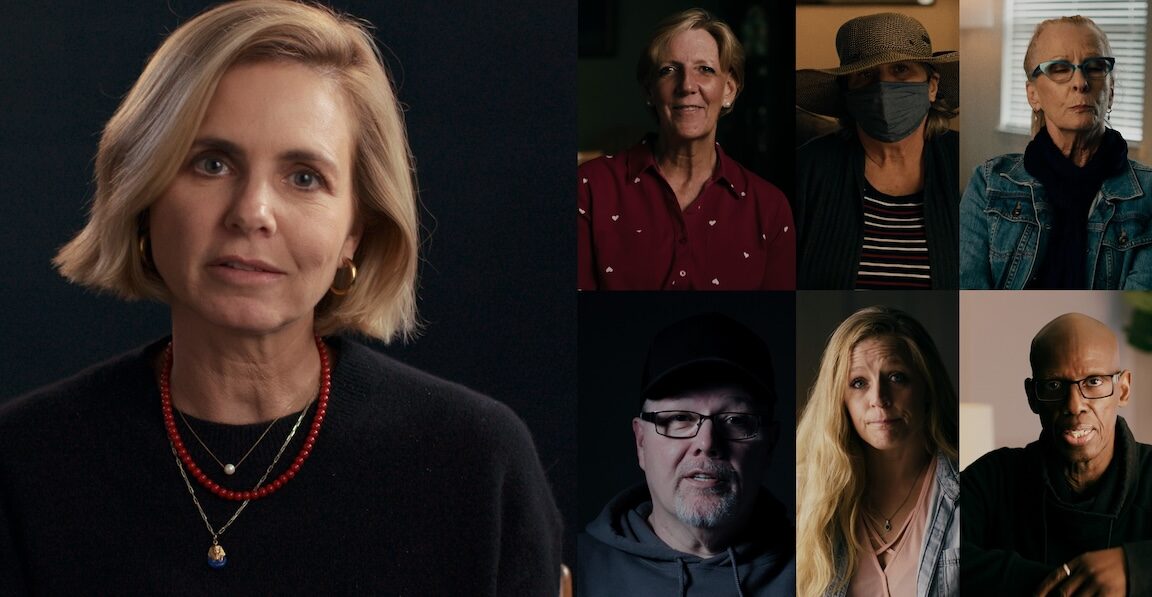
National Geographic premieres "Super Scam Me" on Saturday at 9 pm ET, a one-hour documentary in which investigative journalist Mariana van Zeller embeds herself in the world of romance fraud. The film streams afterward on Disney+ and Hulu. Ars Technica is debuting an exclusive clip showing van Zeller working with an ethical hacker who goes by Arman the Cyber; the two use a fabricated bitcoin receipt as bait to draw out someone impersonating rock star Jon Bon Jovi in a scam targeting a real victim, a maneuver the documentary presents as giving that victim a measure of closure.
The scale of the problem frames the film. The Federal Trade Commission says romance scams cost Americans close to $1.5 billion in losses every year, and the agency has warned they have become a leading form of financial fraud in the United States. Most victims never recover their money. Experian forecast in January that overseas scammers are growing more sophisticated with the help of AI. The FTC and reporting cited in the documentary describe a typical target profile: older women with financial resources who lack a strong in-person community and go online looking for connection, including widows and divorcées.
For the documentary, van Zeller built a social experiment in which she became the mark rather than the observer. Using a wig, large glasses and a prosthetic nose to defeat reverse-image searches, she posed as "Mary Zelle," a middle-aged antiques dealer, and staged photos portraying a sociable single woman. The persona drew a scammer in Ghana, who adopted the identity of a handsome overseas four-star military general named "Mark Turner." The two exchanged texts day and night. To try to locate him, van Zeller traveled to Ghana and distributed flyers in his neighborhood featuring a composite photo of the supposed couple that "Mark Turner" had created to woo her. Along the way she describes her own conflicted feelings about the bond that formed with the person defrauding her.
The documentary also revisits the Bon Jovi case, in which a victim was contacted by an unverified account claiming to be the musician after commenting on his official Instagram post. That thread illustrates a recurring pattern: scammers operate on social platforms such as Instagram and dating apps including Match and Tinder, building trust gradually before escalating to requests for money that can reach the scale of losing a home.
A point the film presses is that victimhood does not track with naivete. Research cited in the documentary suggests romance scam victims tend to be well-educated, and the program shows how trust is built step by step, how shame keeps victims from seeking help, and how the simple desire for a relationship to be genuine can push otherwise capable people into bankruptcy. Van Zeller has said that the reaction she hears most after years of reporting on scams is disbelief that anyone could fall for one, and that the point of the project was to show it can happen to anyone, which is why she made herself the target.
Timing matters here. The special arrives shortly after a congressional investigation into dating app scams concluded that scammers are becoming harder to catch, according to NBC News. Experts quoted around the film largely agree that curbing romance fraud depends on communities showing more empathy and learning to recognize the warning signs, an approach the documentary suggests could reduce the isolation that leaves older women exposed.
In the film's telling, van Zeller spotted her scammer's stolen photos immediately because they came from a real military general's Instagram profile, but her own fabricated dating persona proved far more convincing. She avoided sending money and leaned on her hacker contact to keep the scammer engaged; he never appeared to suspect he was the one being baited.
Why it matters: Romance fraud at roughly $1.5 billion a year in US losses is a consumer-protection and platform-trust problem as much as a criminal one. For product teams, the documentary's mechanics point at concrete surfaces worth defending: unverified impersonation accounts on social and dating apps, image reuse that reverse-image search is meant to catch, and payment rails that let scammers convert affection into irreversible transfers, especially crypto. A likely inference is that better identity signals and faster reporting loops would help, though the film and the cited congressional finding both suggest scammers are adapting faster than platforms and investigators can respond. Developers building trust-and-safety, KYC or fraud-detection features should treat this as a live, well-funded adversary rather than an edge case.
Based on reporting from the original publisher. Visit the source for full context and later updates.
Publisher excerpt
Watch an exclusive clip from Super Scam Me where a victim tracks down her scammer.