New formulation helps RNA vaccines withstand high temperatures
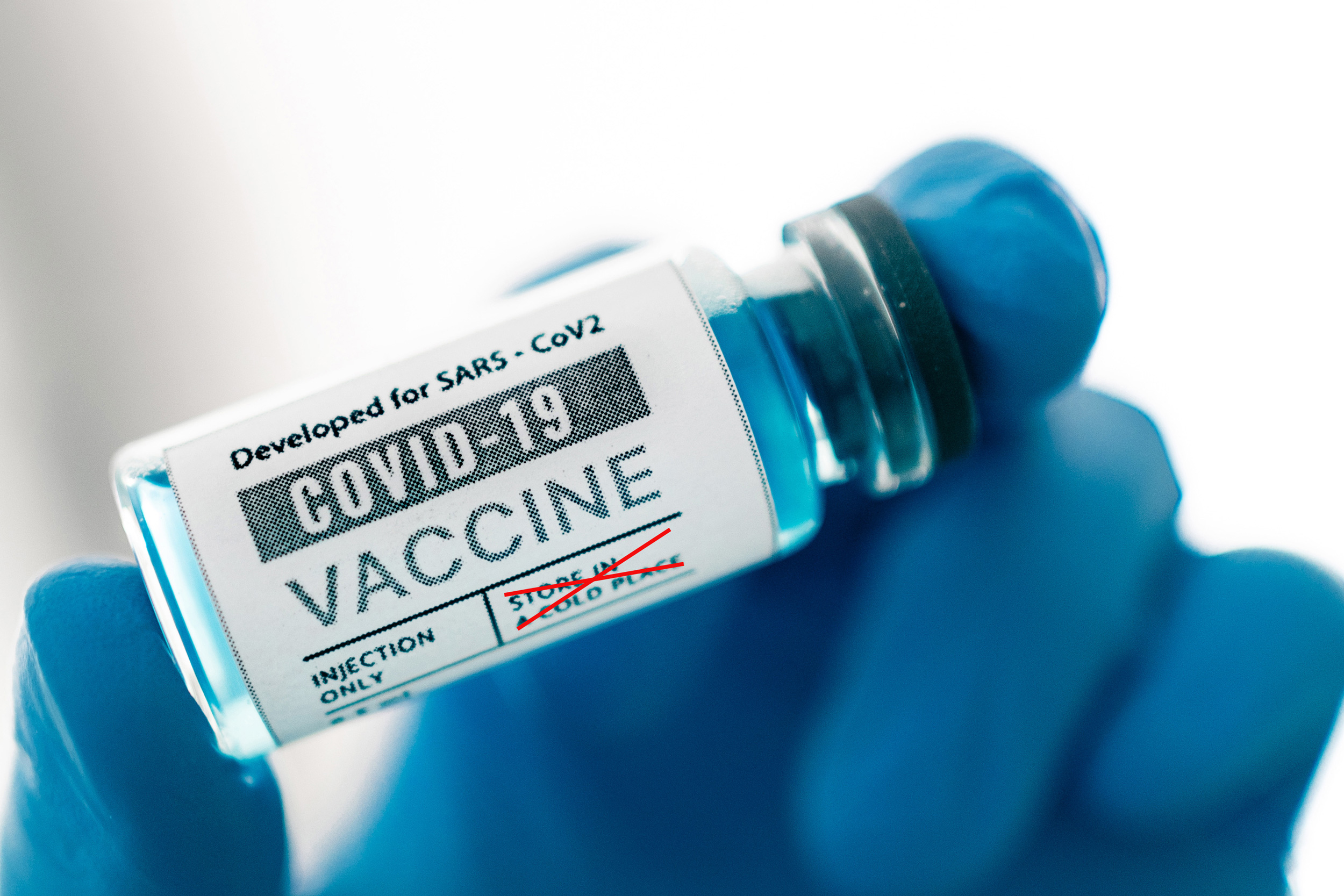
MIT researchers have developed a formulation approach that makes RNA vaccines more heat-resistant, using an AI algorithm to tweak the lipid nanoparticles (LNPs) typically used to deliver mRNA vaccines. The work appears in Nature Biotechnology, with Ana Jaklenec and Robert Langer as senior authors and graduate student Jinbi Tian and postdoc Khanh Tran as lead authors.
RNA is fragile and is stabilized with LNPs, but RNA-LNP vaccines still require storage at -20 to -80 degrees Celsius, which complicates shipping to regions without cold-storage facilities. The researchers formulated vaccines that remained stable at room temperature for up to a year, or at nearly 100 degrees Fahrenheit for two months.
After earlier attempts with previously successful excipients stalled, the team worked with MIT's Computer Science and Artificial Intelligence Lab to develop an algorithm that makes predictions from very small datasets. They analyzed nearly 50 FDA-approved excipients, measuring how well each protected mRNA delivered to cells, then chose five promising excipients and used the algorithm to predict ratios for stabilizing LNPs similar to those used by Moderna. Testing two formulations at a time in cells and feeding results back took only a few weeks.
The researchers packaged Covid-19 mRNA antigens in the new particles, dehydrated them by vacuum drying, and stored them at 37 degrees Celsius for two months or at room temperature for one year. Mice vaccinated with these particles showed immune responses equivalent to mice that received vaccines carried by LNPs similar to the original Moderna formulation. Solid microneedle patches delivering a SARS-CoV-2 antigen generated an immune response similar to injectable RNA vaccines.
The team also used the algorithm to stabilize other LNP formulations, including one similar to those Pfizer used to deliver its Covid-19 vaccine, which uses the same excipients in a different ratio. The research was funded in part by the Gates Foundation.
Based on reporting from the original publisher. Visit the source for full context and later updates.
Publisher excerpt
MIT engineers have found a way to stabilize the lipid nanoparticles used to deliver RNA vaccines, which could allow the vaccines to be more widely distributed.