AI game clones are making indie developers afraid to show their work
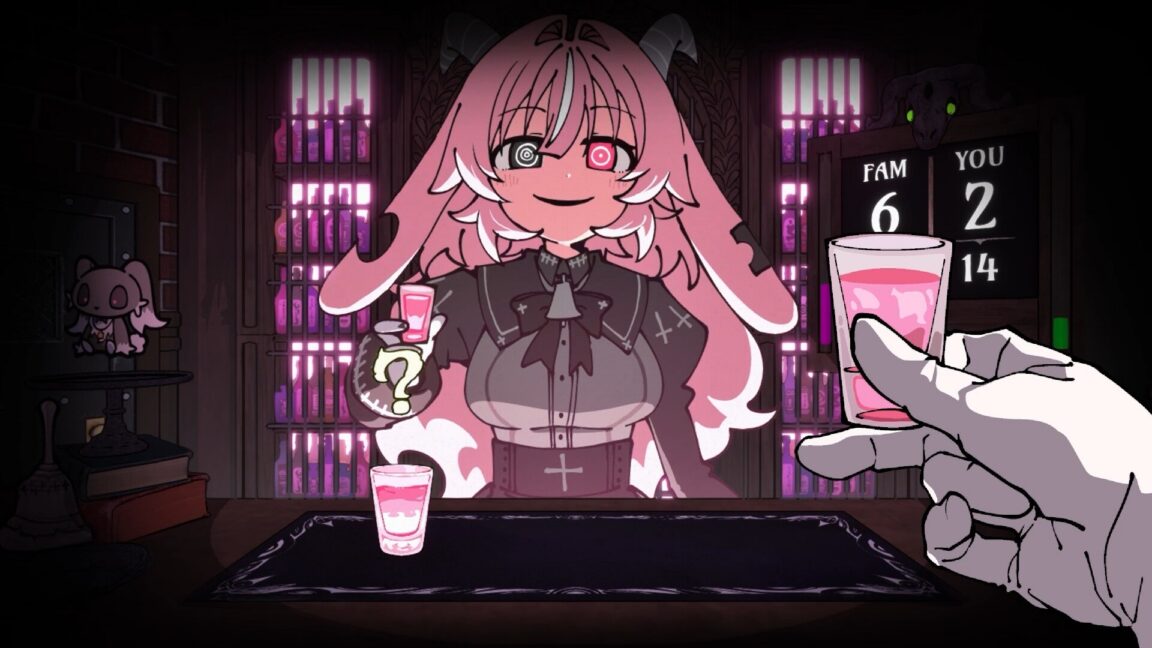
Alliance Arts, the developer behind the demon-themed Russian Roulette drinking game Drunken Goddess Reflux, postponed a public demo that had been scheduled to coincide with the opening of Steam Next Fest. The team announced the decision in a social media post on Friday evening, citing streaming restrictions and a second worry: that the demo's content could be rapidly imitated or replicated with AI or other tools, with those copies possibly shipping before the studio's own release. Rather than drop the demo openly, Alliance Arts now intends to distribute it only in closed sessions, limited to people who accept rules covering how gameplay may be posted and streamed.
Steam Next Fest is Valve's recurring showcase in which upcoming games publish playable demos and developers stream to build wishlists ahead of launch. A demo is normally the cheapest marketing an indie studio has. Pulling one from the event, or gating it behind an agreement, trades reach for control, and this suggests Alliance Arts judged the trade worth it.
The studio is not alone. Lucas Pope, the developer of Papers, Please, said on an April podcast that he generally avoids discussing work in progress because he worries it could be absorbed by AI or copied, and that he no longer felt comfortable talking about what he was building.
The concern has concrete precedents. In March, developer Freya Holmér posted a video of a prototype Tetris-style game built around a central rotating pivot. Within days, several vibe-coded versions of the concept were playable publicly, before she had released her own. Holmér remarked that seeing clones appear around every corner discourages her from sharing progress, while adding that she believed those responsible could not take the idea beyond what they had already seen.
McPixel developer Sos Sosowski has been collecting accounts from other indie developers who say AI-generated clones have copied their work wholesale. He described the bind bluntly: keeping a game private means no sales, while showing it risks it being taken. Charlie Greenman, who published one of the AI-powered takes on Holmér's rotational Tetris early this year, told 404 Media he saw nothing wrong with it, comparing the question to adjacent games such as Tetris, Blox and Jenga.
The counterargument from inside the industry is that originality is the real defense. Ivan Lago of Howltide Games argued that a game AI can replicate overnight was not much of a game to begin with, describing such targets as cheap cash grabs built on a single mechanic, and the resulting copies as knockoffs of work that was already an asset flip. Holmér's later experience offers a partial counterpoint: she told 404 Media this summer that the flood of clones of her prototype came in the first week and then engagement fell off, leaving her feeling freer to take time and build something good rather than rush it out.
For developers and product teams, the practical question is timing and surface area. A short demo or trailer exposes mechanics, art direction and feel at exactly the moment rivals with fast generative tooling can act on them. Closed playtests, embargoed builds, signed streaming terms and staged reveals are the obvious responses, and they carry real costs in wishlist momentum and press attention. My reading is that the deeper exposure is not fidelity but discoverability: clones rarely match the original's quality, yet they can crowd storefronts and search results quickly enough to bury it, which pushes the burden onto platform curation, takedown processes and the willingness of players to seek out the source.
Why it matters: small studios now weigh publicity against imitation at every demo, and some are choosing closed distribution over the open Steam Next Fest format. Developers planning a reveal should treat a public build as a disclosure event with a copying risk, not just a marketing one. Platforms and storefronts may face growing pressure to distinguish originals from fast-followed clones, though how they would do so is an open question.
Based on reporting from the original publisher. Visit the source for full context and later updates.
Publisher excerpt
Delayed Steam Next Fest demo is a sign of a growing problem for indie devs.