Taiwan’s chipmaking giant TSMC to invest $1B in Anthropic, OpenAI
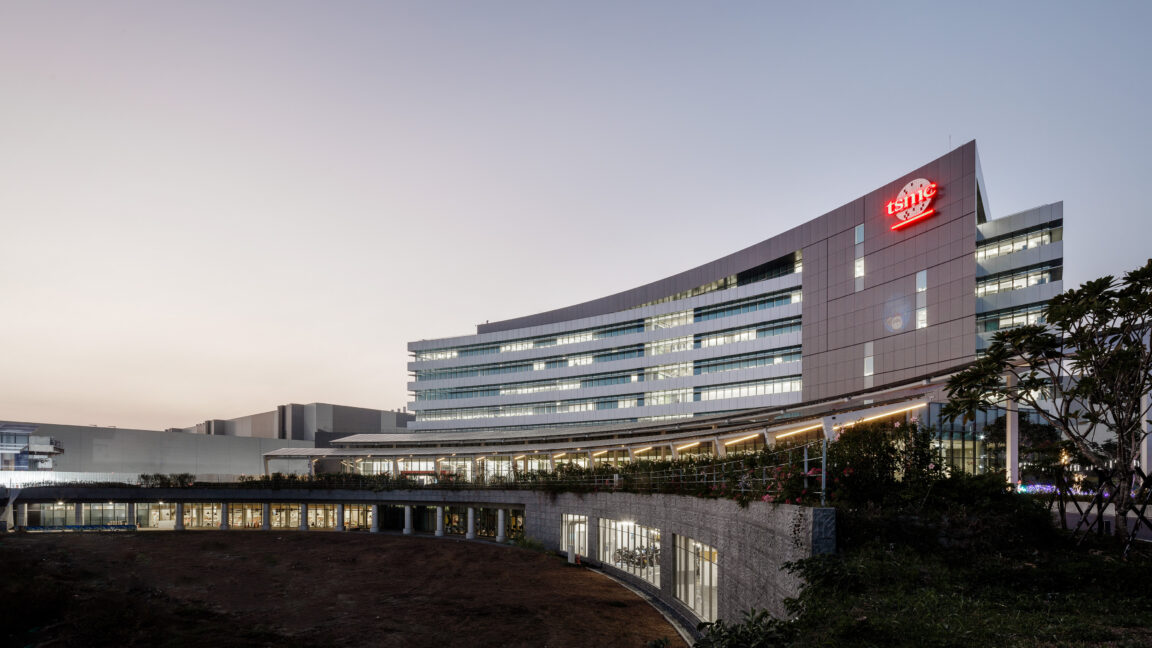
TSMC's board has approved plans to put as much as $1 billion into the two most prominent AI model developers, according to Reuters. The package splits into $500 million for OpenAI preferred stock set aside for large investors and another $500 million for Anthropic common shares purchased at the company's expected IPO price. The move gives the Taiwanese contract chipmaker direct equity stakes in two of its largest indirect customers.
The timing lands against a mixed backdrop for the AI trade. The Wall Street Journal reported that an investment of this kind could offer markets a shot of confidence while AI-linked stocks have shown signs of strain. Analysts quoted by the Journal also cautioned that interlocking financing among investors, suppliers and customers makes it harder to judge genuine demand for AI hardware and services.
TSMC sits at the base of that supply chain. Its fabs produce the large majority of Nvidia's data center AI chips and most of Apple's custom silicon for iPhones, Macs and desktops, along with Apple's planned AI server chips. Most capacity is in Taiwan, with additional fabs in Japan and China, a growing cluster in Arizona and a new site under construction in Germany. Anthropic and OpenAI, meanwhile, buy large volumes of AI hardware built on TSMC's process technology for their data center buildouts.
That loop—a supplier taking equity in companies whose demand feeds its order book—is a familiar feature of this cycle. The most striking comparison is Nvidia, which has put $30 billion into OpenAI and $10 billion into Anthropic so far, alongside tens of billions more across other AI and robotics companies. TSMC's $1 billion is small next to those figures, and small next to its own cash generation: the company has posted six straight quarters of record profit, including more than $23 billion in net profit for the July-through-September 2026 quarter, per Reuters.
A likely trade-off for TSMC is strategic visibility versus exposure. Preferred stock in OpenAI and pre-IPO common shares in Anthropic give it a seat close to the customers defining demand for leading-edge capacity, which can inform how aggressively it adds nodes and packaging lines. It also ties part of its balance sheet to private valuations that are hard to mark, and to companies that could shift sourcing or stumble. Buying Anthropic at its expected IPO price means the stake is priced off a public offering that has not yet happened, so the entry valuation is set by that event rather than by today's private rounds.
For developers and product teams, the practical read is less about TSMC's returns than about what the alliance signals. Equity links between a foundry and model labs tend to precede deeper co-design—custom silicon, packaging or capacity commitments—though nothing in the announcement confirms such arrangements. My own inference is that this strengthens Anthropic's and OpenAI's standing with their most critical manufacturing partner, which matters when advanced capacity is scarce. It also concentrates more of the AI economy inside a small set of mutually invested players, a structure that makes independent demand signals harder to read for anyone planning budgets or forecasting compute costs.
Why it matters: The world's dominant contract chipmaker is becoming a shareholder in the labs whose compute needs drive its growth, deepening the circular relationships that already link Nvidia, TSMC and the model developers. For product teams, that reinforcement of supply relationships suggests leading-edge AI capacity will keep flowing to the largest labs first, while the opacity analysts flag makes it harder to forecast pricing and availability from public demand data alone.
Based on reporting from the original publisher. Visit the source for full context and later updates.
Publisher excerpt
Latest example of the AI boom’s circular financing comes as AI trade wobbles.