Nvidia's big bet on physical AI aims for safer robotaxis, humanoid robots
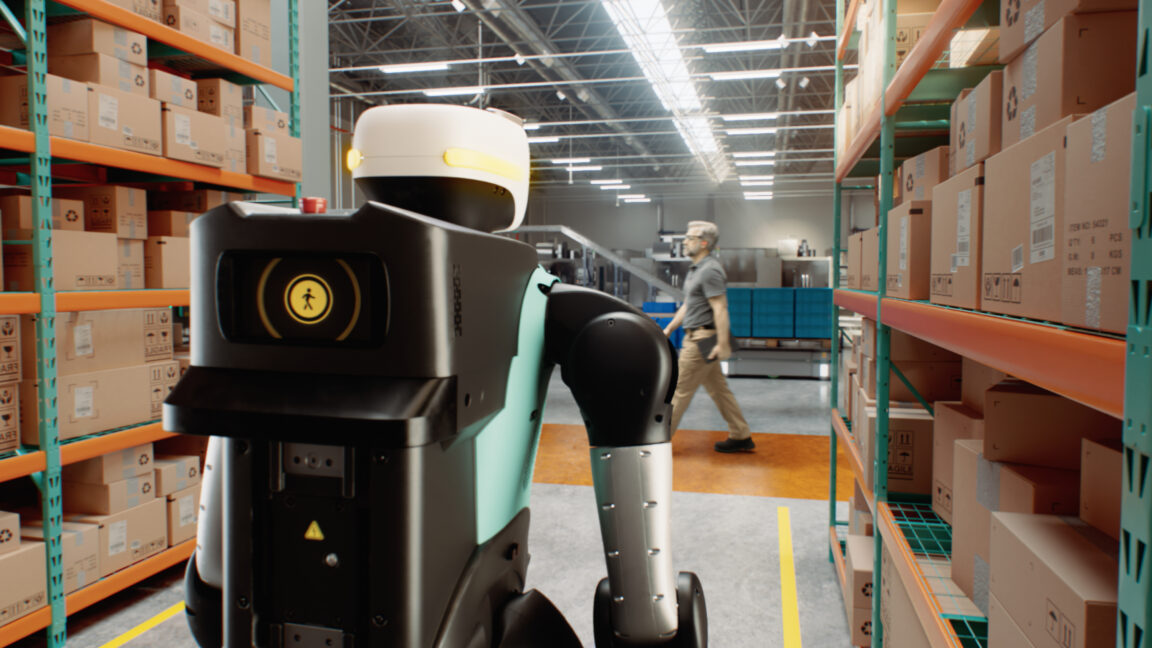
Nvidia announced Nvidia Halos for Robotics in June 2026, extending a full-stack safety system it first launched in 2025 for self-driving cars and other autonomous vehicles. The expansion targets autonomous mobile robots in warehouses, humanoid robots inside factories and even surgical robots. Amit Goel, who heads robotics ecosystem and edge computing at Nvidia, attributed the move to models and robot hardware becoming capable while safety emerged as the next bottleneck.
The hardware foundation is the Nvidia IGX Thor computing module for robotics and industrial applications, which includes an independent processor dedicated to safety-related workloads. Goel said functional and safety systems must run on the same silicon in physical AI. On the software side, the Halos operating system monitors every hardware block and every software library to spot failures quickly, and isolates safety-critical computing workloads from interference. The package also includes the Nvidia Holoscan Sensor Bridge, which links sensor data to safety-related processing so corrupted data can be identified, and can be embedded in components such as a microcontroller or Field Programmable Gate Array. Simulations for testing robots in virtual environments and an inspection lab program for feedback on safety artifacts round out the offering.
Adapting the system from vehicles to robots required accommodating varied definitions of safety, since a robotic vacuum cleaning a hallway faces different considerations than a forklift handling heavy payloads. Goel said Nvidia rebuilt foundational work to make the platform programmable so developers can define custom safety functions without breaking underlying infrastructure, noting flexibility can cost some control over the stack.
Agility Robotics was first to incorporate Halos into its Digit 5 humanoid, which is designed to work near people without isolated workstations or physical barriers; safety sensors and hardware now reside inside the robot rather than in external work-cell sensors. Boston Dynamics is an early partner in the Halos safety accreditation program covering Spot, Stretch and Atlas, with Atlas possibly deploying in Hyundai automotive factories by 2028. KION Group and LG are also working with the system, LG on a humanoid based on Nvidia's Isaac GROOT foundation model.
Nvidia CEO Jensen Huang said in March 2026 that physical AI drives nearly $10 billion in annual revenue, after highlighting it as the company's second-most important growth category in 2025.
Why it matters: Robotics developers gain a common safety layer they can build on rather than designing guardrails from scratch, potentially allowing robots to move beyond fixed work cells into shared factory, warehouse and hospital spaces.
Based on reporting from the original publisher. Visit the source for full context and later updates.
Publisher excerpt
Full-stack safety solution for physical AI is being used by robotics companies.