Jensen Huang reinstated as Nvidia CEO, board chair
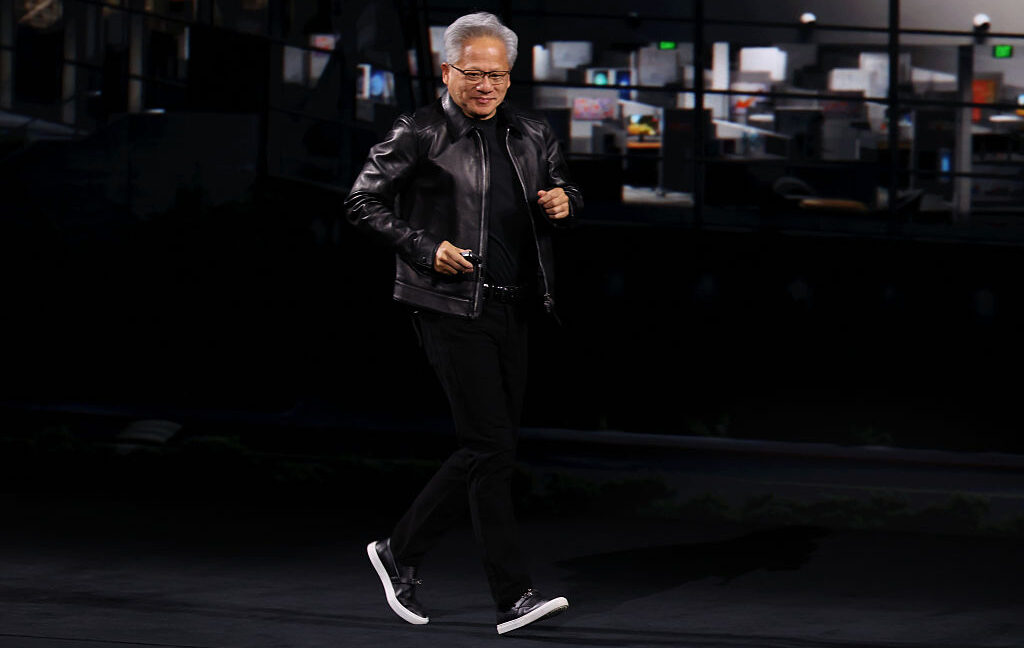
Nvidia's board of directors voted to reinstate Jensen Huang as chief executive and chairman of the board, effective immediately, the company announced Monday morning. The decision came 11 days after Huang resigned amid multiple scandals. The board said its vote was based in part on input from senior levels of the United States government, which assured directors that Huang's reinstatement poses no national security risk.
That assurance arrived even though Huang has admitted an affair with a woman whom US intelligence sources believe was working as a Chinese spy, and despite allegations that Nvidia subverted export controls intended to keep its chips out of China. Multiple investigations by different government departments into those and other alleged national security, accounting and corporate governance failures are still developing, according to the reporting.
Huang had been working toward a comeback almost since leaving. He reportedly assembled a war room to strategize his return. Last week he posted on social media that if the board decided his return served shareholders, employees, the company and America, he would be honored to answer the call and come back as CEO.
President Trump publicly backed the move. He wrote on Truth Social last week that he hoped the Nvidia board would rehire Huang, calling it the best thing for the company and for the USA. After the reinstatement, Trump posted that it was the correct and proper decision and said the US government had no reason to believe Huang's return poses any risk to national security. Appearing on CNBC on Monday morning, Trump said he had spoken to the Nvidia board directly and indirectly about the reinstatement and that Huang did nothing wrong. He argued that losing the brainpower of someone like Huang would be a much bigger threat than anything tied to his alleged interactions with China, and said a thorough investigation showed Huang had exercised bad judgment in somewhat unrelated incidents. "You have to protect our geniuses and there aren't enough of them," he said.
Huang's history with the company goes back to its founding in 1993, when he and three cofounders built GPU hardware aimed at PC gamers. Over the following decades the highly parallel cores in those GPUs were adopted first by cryptocurrency miners and then by AI companies, lifting Nvidia to the position of most valuable company in the world at its October peak. The stock had fallen roughly 25 percent since his resignation was announced and nearly 50 percent from its peak; it rose about 30 percent in early morning trading right after the reinstatement was announced.
In some respects the episode mirrors Sam Altman's brief ouster at OpenAI almost exactly three years ago, when the board said it no longer had confidence in his ability to lead and he was back at the helm two weeks later after employees threatened a mass revolt. With Huang, the pressure came from fellow tech leaders rather than staff: OpenAI's Altman and president Greg Brockman, xAI's Elon Musk and Anduril's Palmer Luckey were among the prominent figures who publicly offered support during his absence.
In its statement, the board said it has retained independent counsel and formed a committee of independent directors to investigate what it describes as Huang's targeting by a foreign intelligence effort. Nvidia has also created a National Security and Export Control Committee to oversee trade compliance and national security risks, and is recruiting a chief compliance officer, a new position.
For developers and product teams, the governance structure around Nvidia's compliance function is the part most likely to touch their work. The new committee and compliance role suggest that export-control questions, which determine where and to whom high-end accelerators can be sold, will get more formal internal scrutiny. This is my own reading, but a plausible consequence is slower or more documented approval paths for customers in sensitive regions, and more diligence requests in enterprise procurement conversations that involve Nvidia hardware.
The reinstatement also illustrates how quickly a leadership shock can reverse at a company whose products sit at the center of the AI buildout. The roughly 25 percent drop after the resignation and the roughly 30 percent rebound after the announcement indicate how much of Nvidia's valuation investors tie to Huang personally. Organizations that plan multi-year GPU capacity around Nvidia's roadmap face less immediate uncertainty about strategic direction than they did a week ago, though the continuing investigations mean the legal and policy backdrop remains unsettled.
Why it matters: Nvidia supplies the accelerators most AI teams depend on, so the identity of its CEO and the strength of its compliance posture affect procurement, pricing and delivery schedules well beyond the company. Teams with GPU-dependent roadmaps should expect the new compliance structures to add process around export-sensitive purchases, and should treat the unresolved investigations as a source of possible policy shifts. For inference, the rapid reversal also underlines that leadership risk at key vendors can move markets and supply plans within days.
Based on reporting from the original publisher. Visit the source for full context and later updates.
Publisher excerpt
Trump says he spoke to the board and that Huang "did nothing wrong."